The Colored Canyon – Sinai’s Painted Passage and the Bedouin Who Walk It
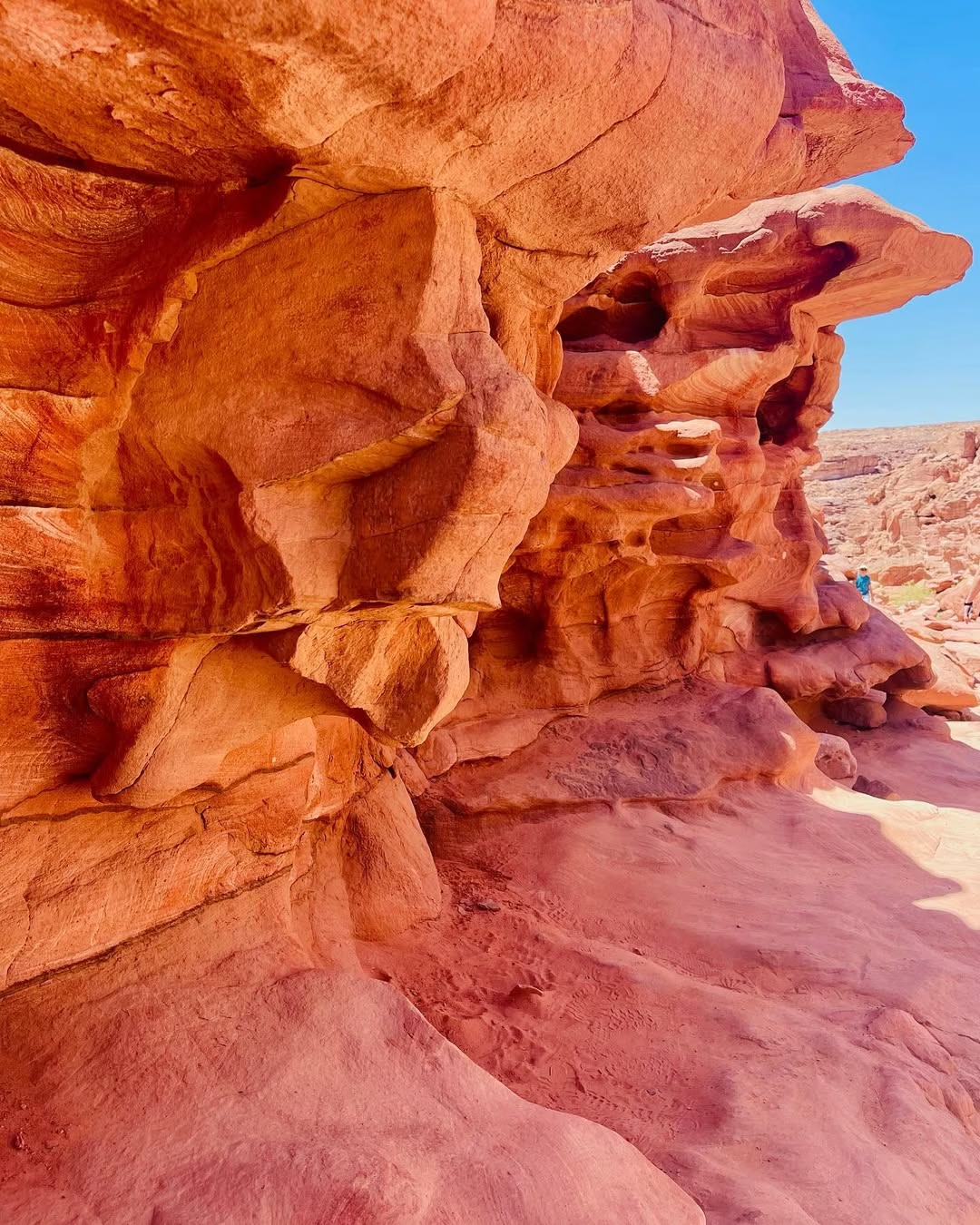
Not far from the laid-back coastal village of Nuweiba, the desert opens into a hidden wonder: the Colored Canyon. Its twisting sandstone walls shimmer in layers of red, gold, violet, and amber — a natural cathedral carved over millennia by wind and water. But to the Bedouin tribes of Sinai, this canyon is more than geology. It is a passage of memory, where stories and survival are written in stone.
A Natural Masterpiece
Stretching about 800 meters long and rising up to 40 meters high, the canyon is the result of ancient floods and erosion that carved through limestone and sandstone. Iron oxides gave the rock its reds, manganese left purple streaks, and the desert sun shifts the hues as the day passes. Walking through the canyon feels like entering a natural kaleidoscope, where each turn reveals new colors and shapes.
But for Bedouin guides, every bend has a name, a story, a memory.
Hiking the Colored Canyon
- Starting Point: Trips usually begin near Nuweiba, with access by jeep or guided camel routes. There is no public transport; you’ll need a guide or organized tour.
- Duration: 2–3 hours through the canyon itself, though it’s often combined with nearby valleys and oases for a full-day trip.
- Difficulty: Easy to moderate. Some sections narrow so tightly you must turn sideways, while others require scrambling over smooth rock.
- Best Season: Spring and autumn offer the most comfortable conditions. Summers can reach 40°C, while winter days stay around 18–25°C with chilly nights.
Why Visit the Colored Canyon?
The Colored Canyon is often photographed for its beauty, but to truly experience it is to walk with those who know it as part of their heritage. The walls are not just painted stone; they are a living memory of Bedouin life, echoing stories of refuge, survival, and awe.
For guests of Dar Katrine, visiting the Colored Canyon is an ideal day trip — an adventure into geology and story alike. Here, the desert shows its softer, more colorful face, and the Bedouin reveal the human thread that ties the land together.