Gabal al-Banat – The Mountain of the Girls
Rising quietly in the high mountains of Sinai, Gabal al-Banat (Mount of the Girls) is not the tallest peak, nor the most famous. But it may be the most storied. At about 1,980 meters above sea level, this mountain is remembered less for its views and more for the legends woven into its name — tales of courage, sacrifice, and the yearning for freedom.
The Mountain and Its Trail
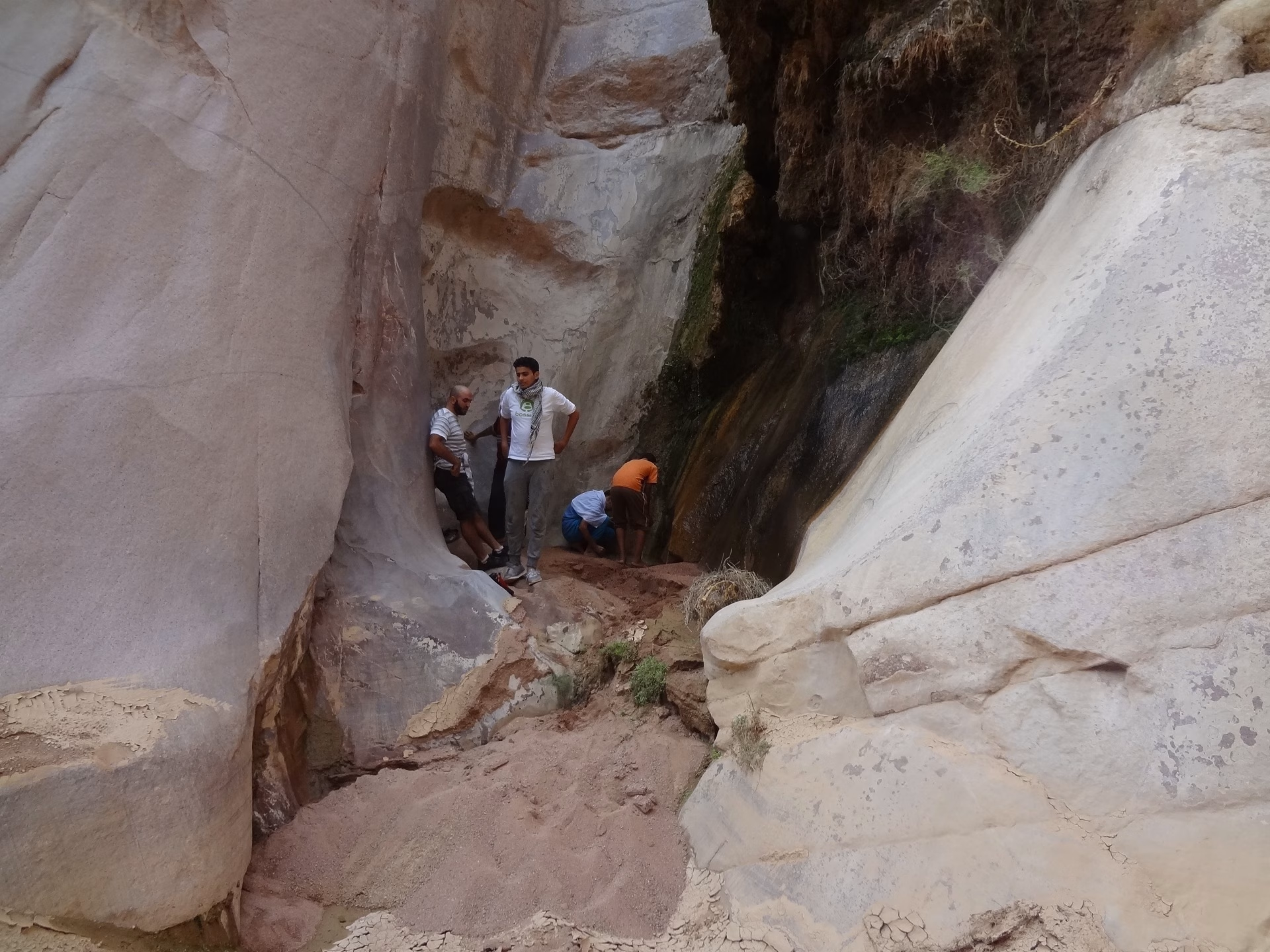
The path to Gabal al-Banat begins in the valleys near Saint Catherine. It winds past Bedouin orchards, acacia groves, and springs before rising gently into the granite domes of the highlands. Compared to Mount Mousa or Jebel Katherina, the climb is quieter and less demanding, making it a place of solitude.
Bedouin guides often call it a “listening mountain” — a place where silence carries stories if you walk with patience. The summit itself is bare and wind-swept, but the surrounding wadis open into stunning panoramas of desert ridges and hidden pools.
The Legend of the Girls
The name Gabal al-Banat comes from a Bedouin tale passed down for generations:
- Long ago, two sisters from a local tribe were forced into marriages they did not want. Rather than submit, they fled into the mountains.
- At the summit, knowing they could not return, they tied their hair together and leapt hand in hand into the void.
- Their act of defiance turned the mountain into a symbol — of honor, of sacrifice, and of a woman’s right to choose her fate.
Even today, Bedouin women refer to the story when speaking of strength and resilience. Guides sometimes pause at certain ridges and tell the tale in hushed tones, their voices carried by the desert wind.
Why Visit Gabal al-Banat?
Visiting Gabal al-Banat is less about conquering a summit and more about entering a story. It is a chance to hear legends of Bedouin women who defied their fate, to sit by hidden pools in the desert, and to walk trails where history and myth blur together.
For guests at Dar Katrine, this hike offers something rare: a mountain that doesn’t just show you views, but shares with you a tale of courage and freedom that still resonates in Sinai’s valleys today.