Al Galt al-Azra’ – The Blue Pool of Sinai
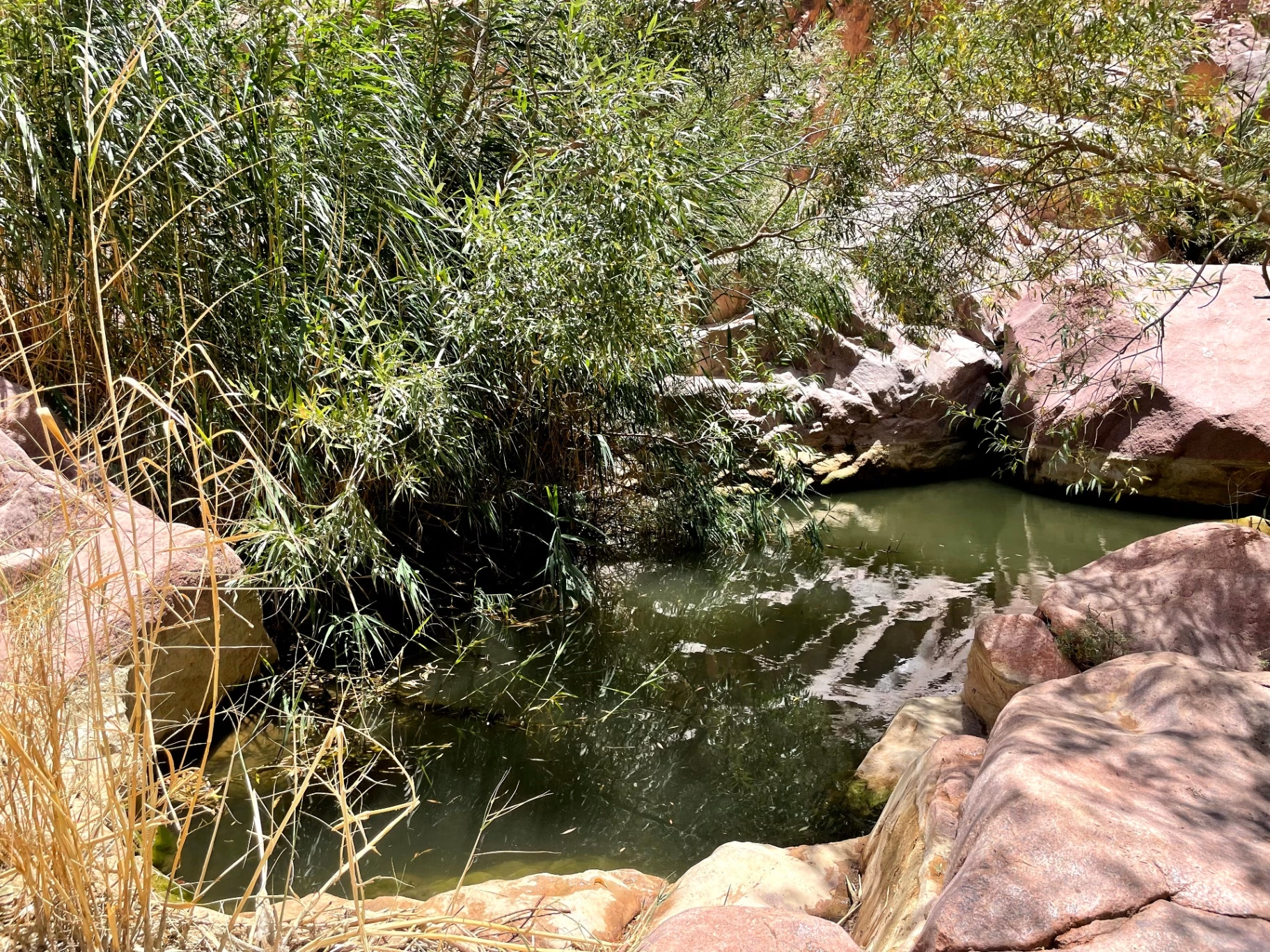
Tucked deep in the high mountains of Saint Catherine lies Al Galt al-Azra', or "The Blue Pool." Hidden among granite cliffs, this small natural pool glows with shades of turquoise and sapphire, a rare oasis in the heart of the desert. For hikers, it is both a refreshing stop and a reminder of how life thrives in unexpected places. The Magic of the Blue Pool Unlike Mount Mousa or Jebel Abbas Basha, the Blue Pool is not about sweeping peaks or ancient ruins. Instead, it is about intimacy with nature—clear water collected in a natural granite basin, surrounded by boulders [...]
Dahab – Between Sea, Desert, and Bedouin Soul
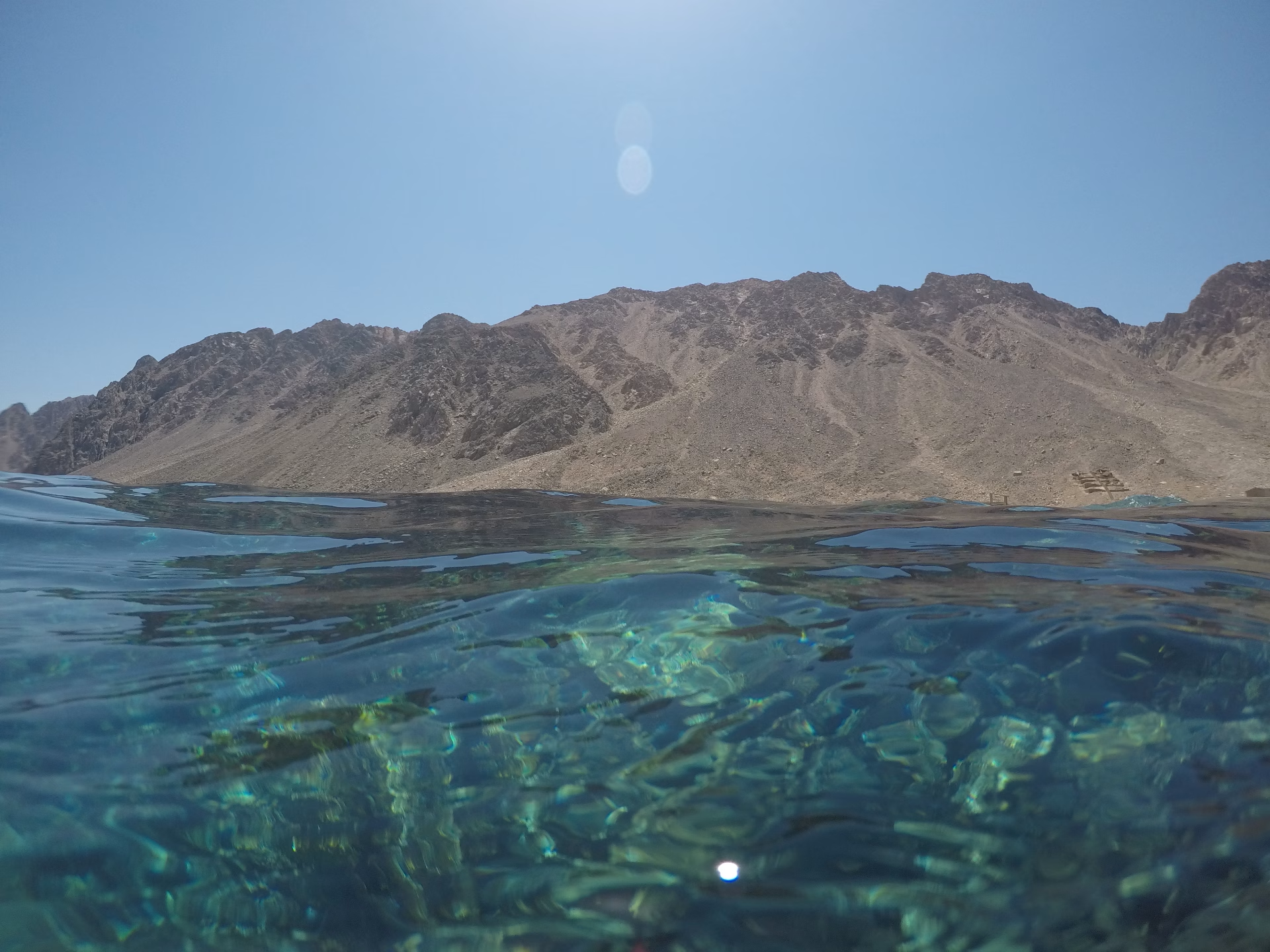
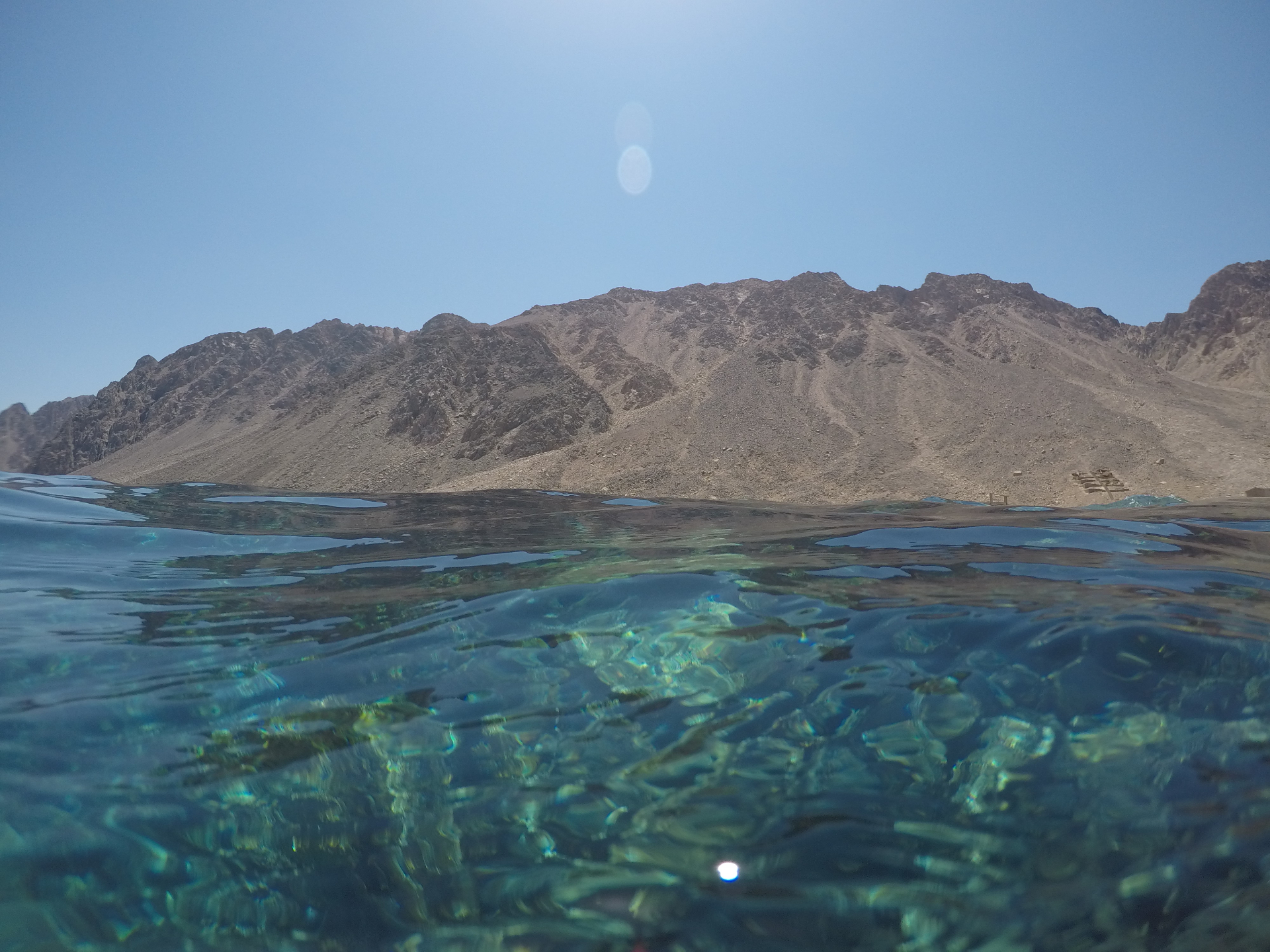
Where the rugged Sinai mountains meet the deep blue of the Gulf of Aqaba lies Dahab, a town whose name means "gold" in Arabic. Once a quiet Bedouin fishing village, Dahab has become a global hub for divers, backpackers, and desert travelers. Yet beneath the surfboards and dive shops, its Bedouin roots still beat strong, shaping the town's spirit of openness, resilience, and hospitality. From Bedouin Camp to Traveler's Haven For centuries, Dahab was home to the Muzeina Bedouin tribe, who fished its waters, herded goats, and built palm-thatched huts along the coast. To them, the sea was both a [...]
Eat Local Cuisine
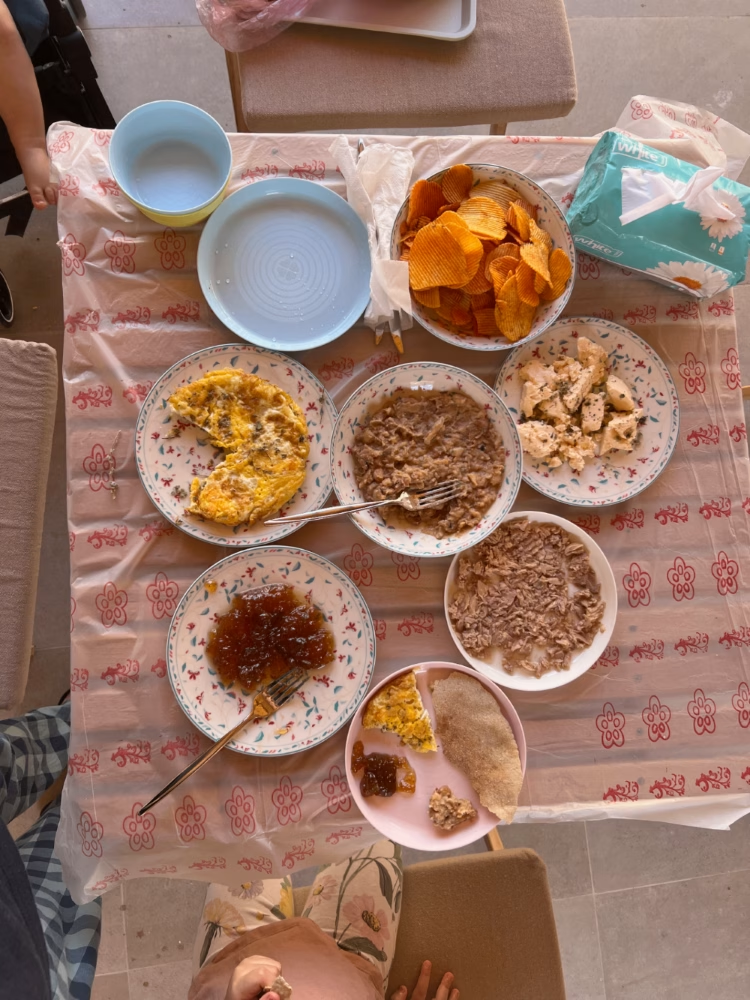
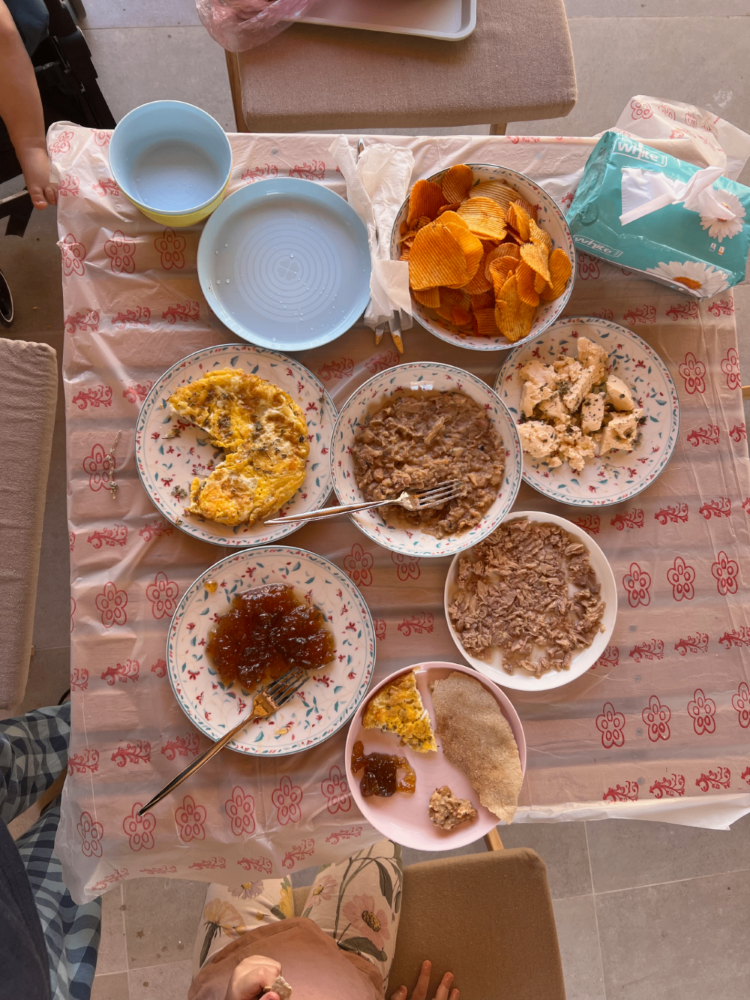
Food in Saint Catherine is simple, generous, and grounded in the land. Bedouin meals are prepared slowly — over embers, in clay, or on heavy iron pans. Expect fresh breads like farasheeh, fragrant rice, lentils, tahini, and dates, often served with mountain herbs and local honey. Many families welcome guests to share a home-cooked meal. It's not a performance — it's hospitality. Sit on low cushions, break bread with your hands, and drink warm tea brewed with desert plants. You'll notice how flavors are balanced, and nothing is rushed. The meal is a conversation as much as it is food. [...]
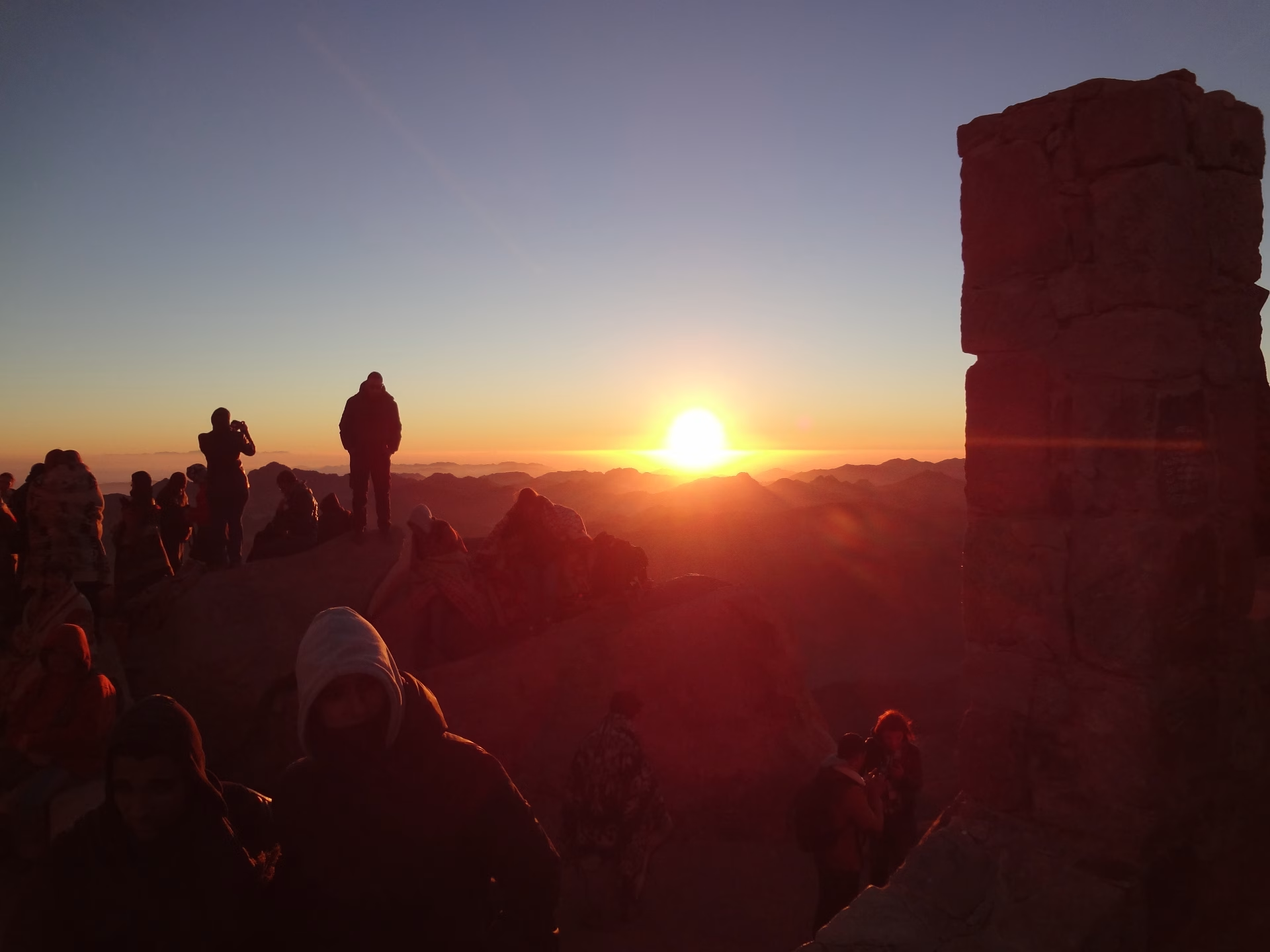
Mount Mousa (Mount Sinai) – Hiking the Sacred Mountain
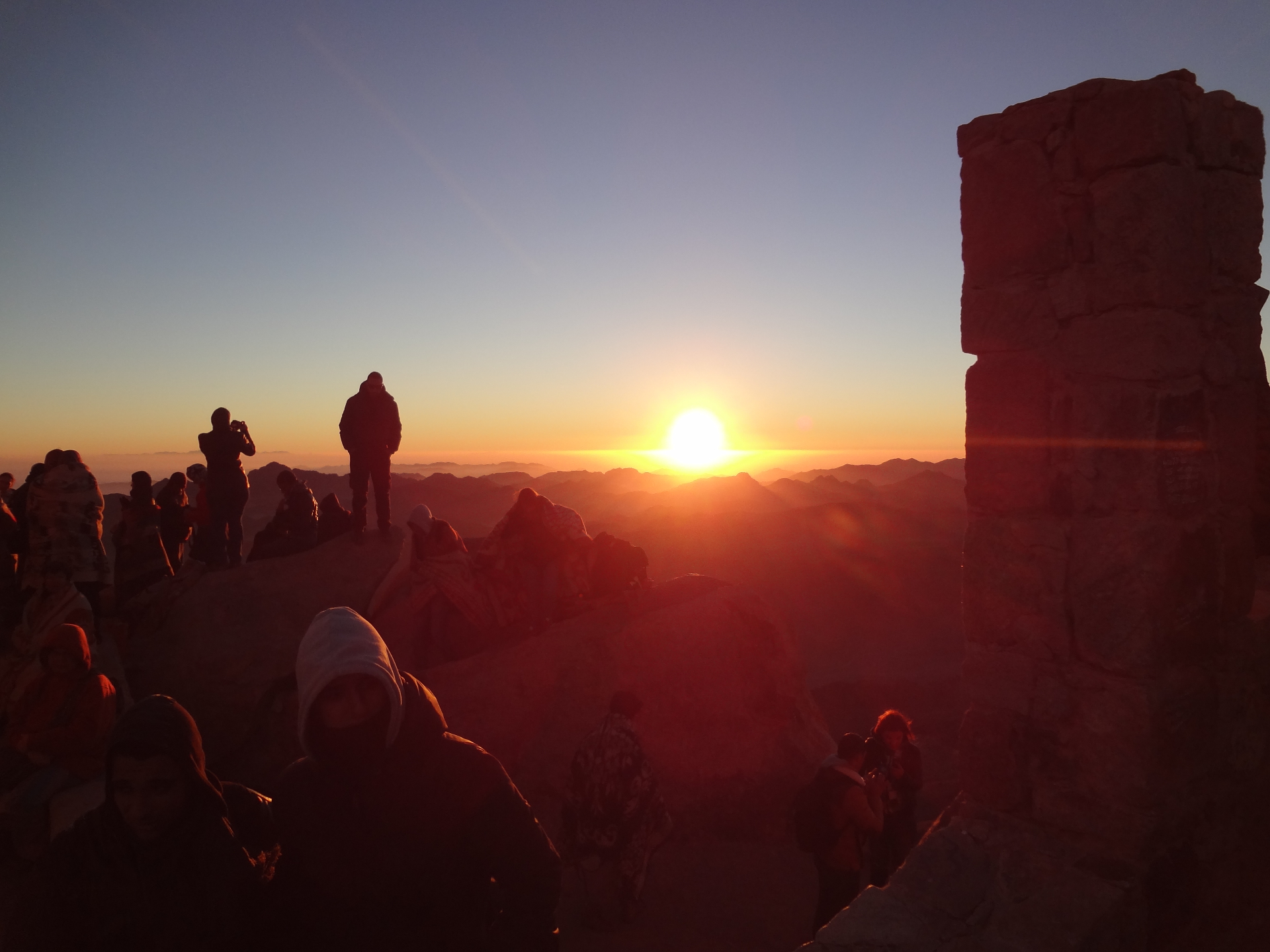
Few mountains in the world carry as much weight as Mount Mousa, known globally as Mount Sinai. Rising above the rocky highlands of South Sinai at 2,285 meters, it is not just a peak—it is a pilgrimage, a journey woven with history, spirituality, and breathtaking natural beauty. Why Hike Mount Mousa? For thousands of years, travelers, monks, and pilgrims have made the ascent to this mountain. According to Abrahamic traditions, it is where the Prophet Moses received the Ten Commandments. Today, hikers come for two reasons: To retrace the footsteps of history and faith. To witness one of the most [...]
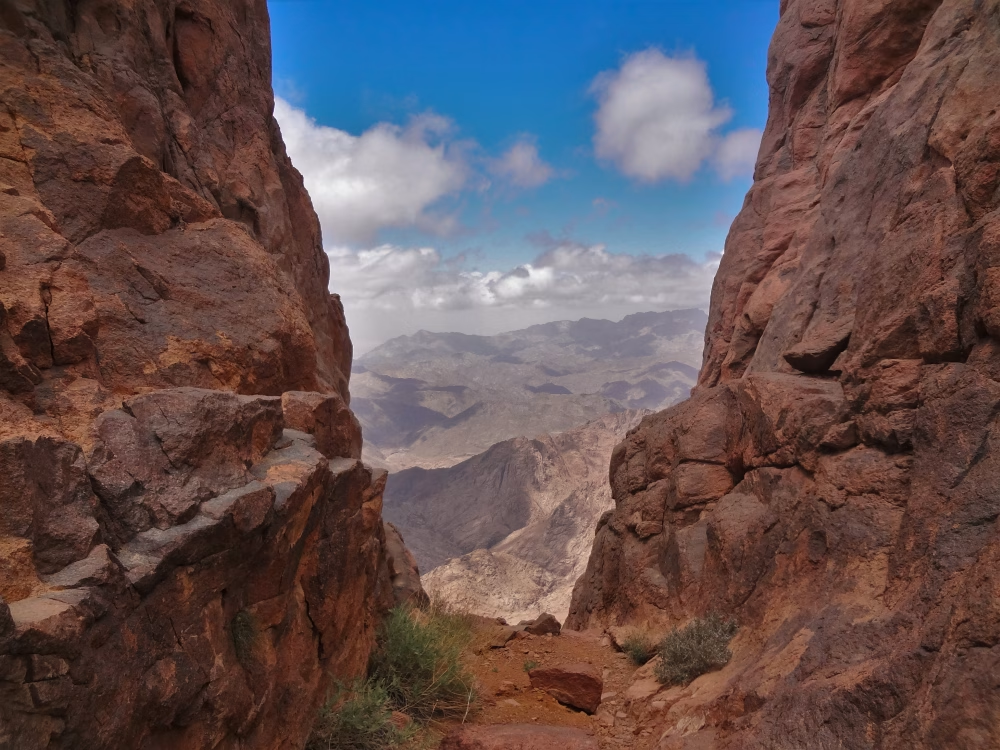
Bab al-Dunya – Walking Through the Gate of the World
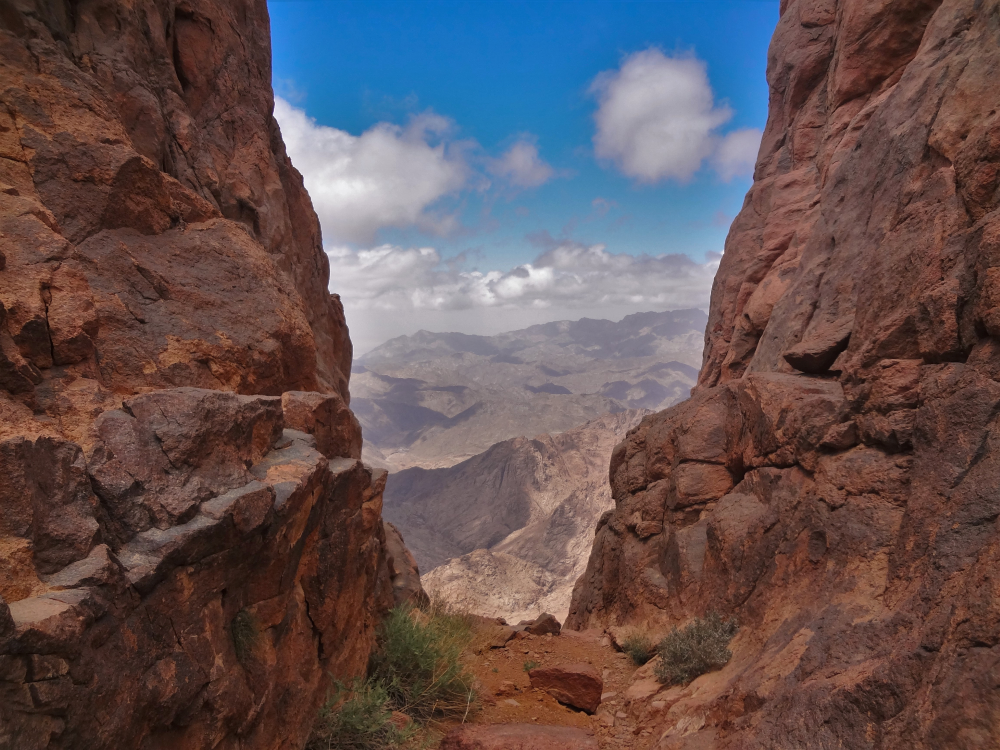
In the heart of Sinai's high mountains lies a trail that feels like a passage between worlds: Bab al-Dunya. Meaning "The Gate of the World" in Arabic, this hike offers not just sweeping views but also a profound sense of stepping into a landscape shaped by both time and legend. The Name and Its Meaning The name Bab al-Dunya carries weight. For Bedouin storytellers, the "gate" symbolizes entry into a vast, untamed world of mountains, wadis, and sky. For travelers, it is both literal and metaphorical—rocky cliffs that form a natural gateway and the sense of leaving behind ordinary life [...]
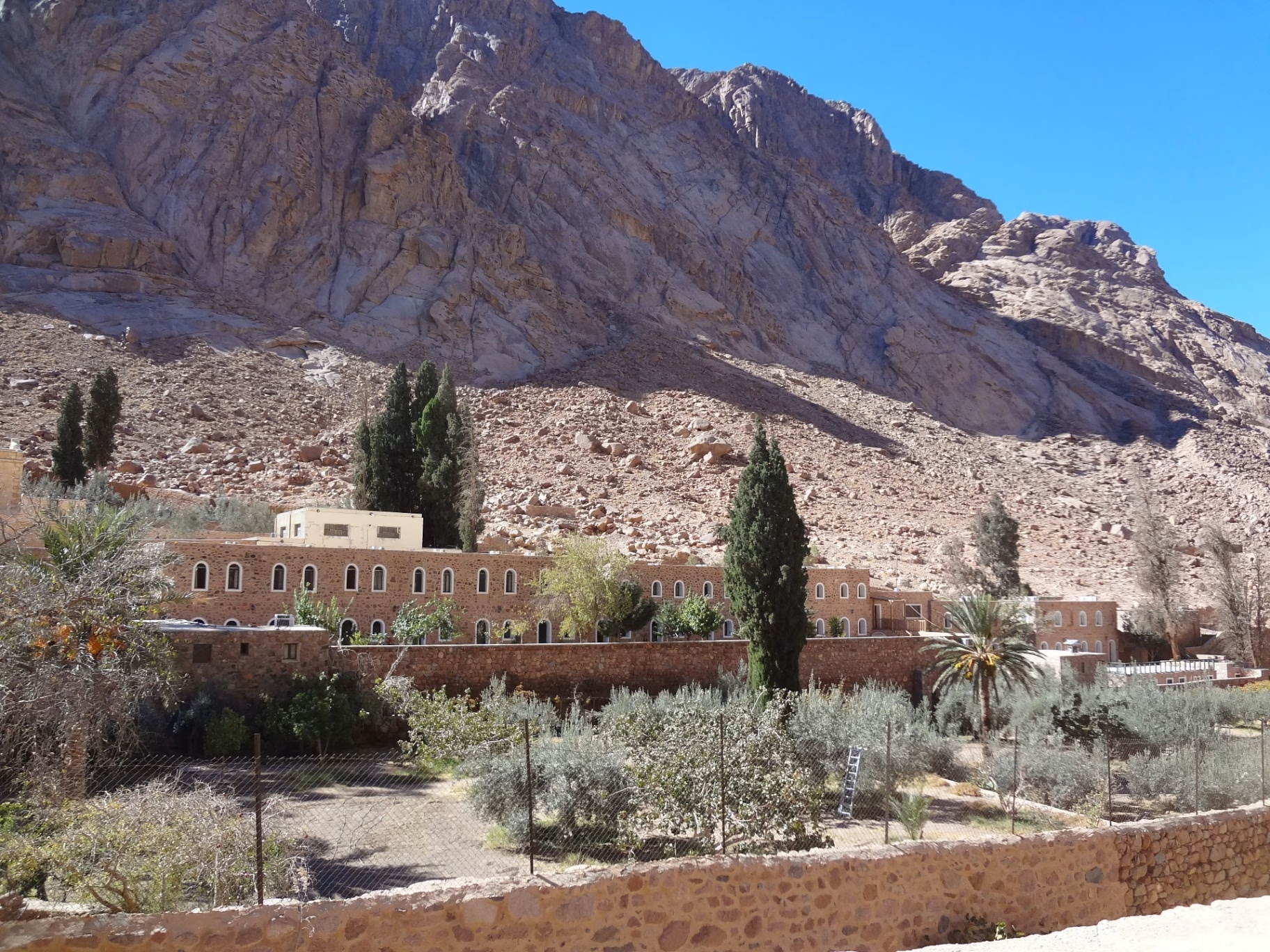
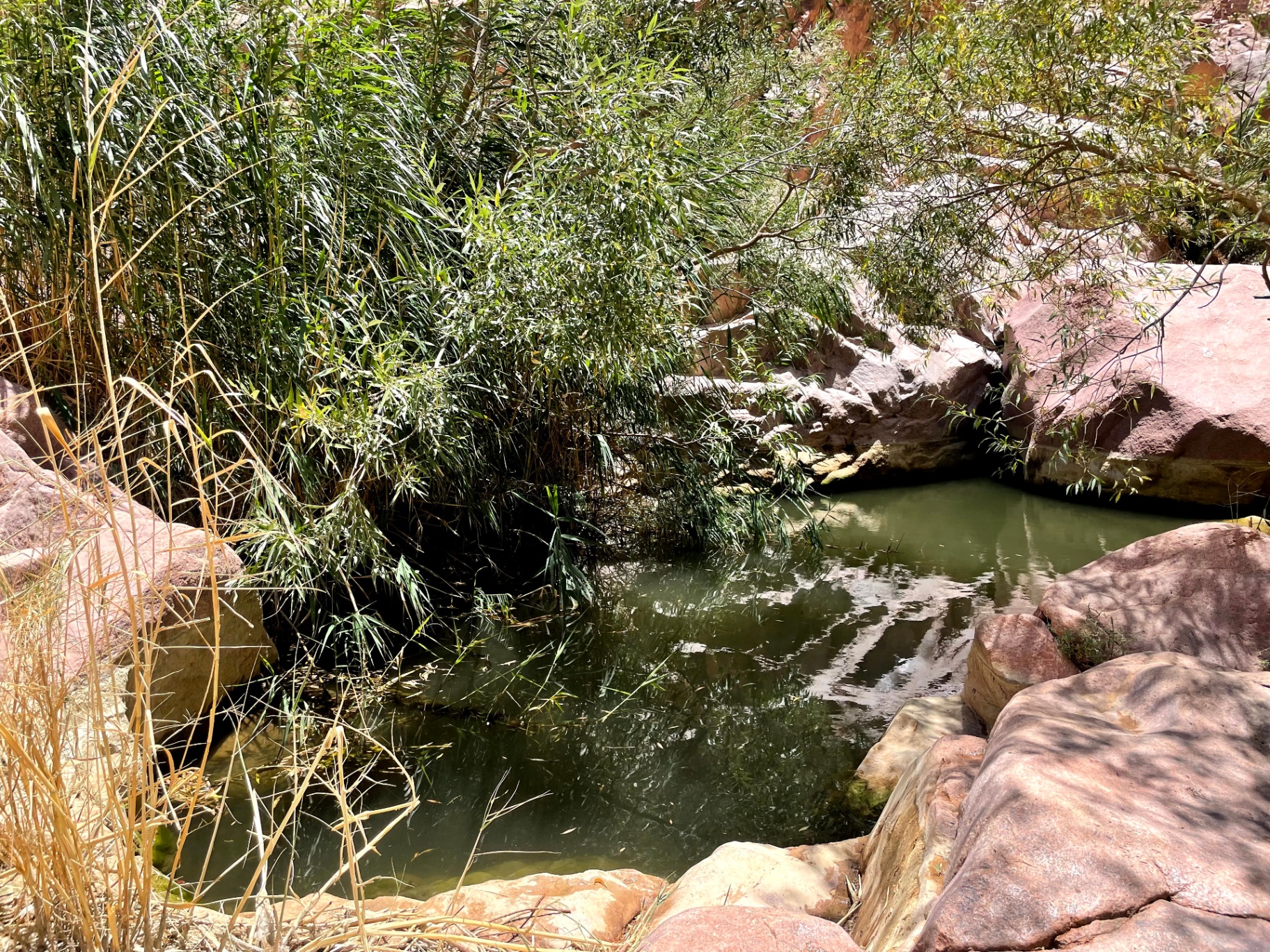
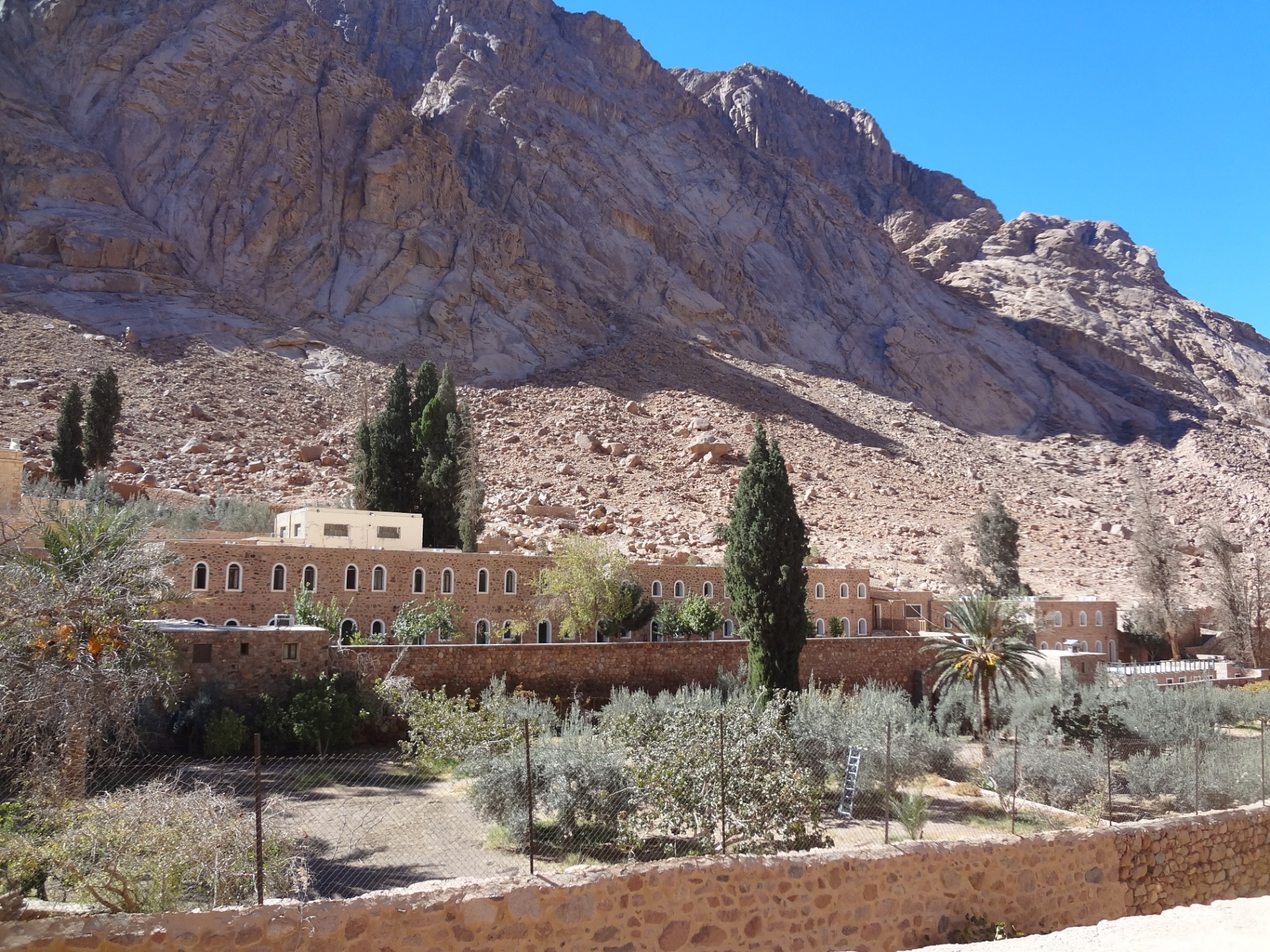
Saint Catherine’s Monastery – A Sacred Place and Its Bedouin Guardians
In the valley beneath Mount Sinai, the stone walls of Saint Catherine's Monastery rise like a fortress against the desert. For nearly fifteen centuries, monks have prayed here, copied manuscripts, and guarded relics. But the story of this monastery is not only written in Greek, Latin, and Arabic manuscripts. It also lives in the oral traditions of the Bedouin tribe, the Jebeliya, who have served as its guardians, workers, and storytellers across generations. A Monastery Rooted in History Commissioned by Emperor Justinian I in the 6th century, the monastery was built to protect the holy site of the Burning Bush, [...]